
Hospitality Fitouts Melbourne: 2026 Guide to Costs, Permits & Design
Melbourne's hospitality scene doesn't stand still. Neither do the expectations of the people walking into your venue.
In 2026, guests aren't just evaluating your food. They're evaluating your air quality, your acoustics, your lighting at 11am versus 7pm, and whether your space makes them want to stay longer or get out faster. At the same time, compliance requirements have expanded, trade labour remains tight, and the cost of cutting corners has never been higher.
If you're opening a café, restaurant, bakery or wine bar, here's what you need to know before you sign a lease.
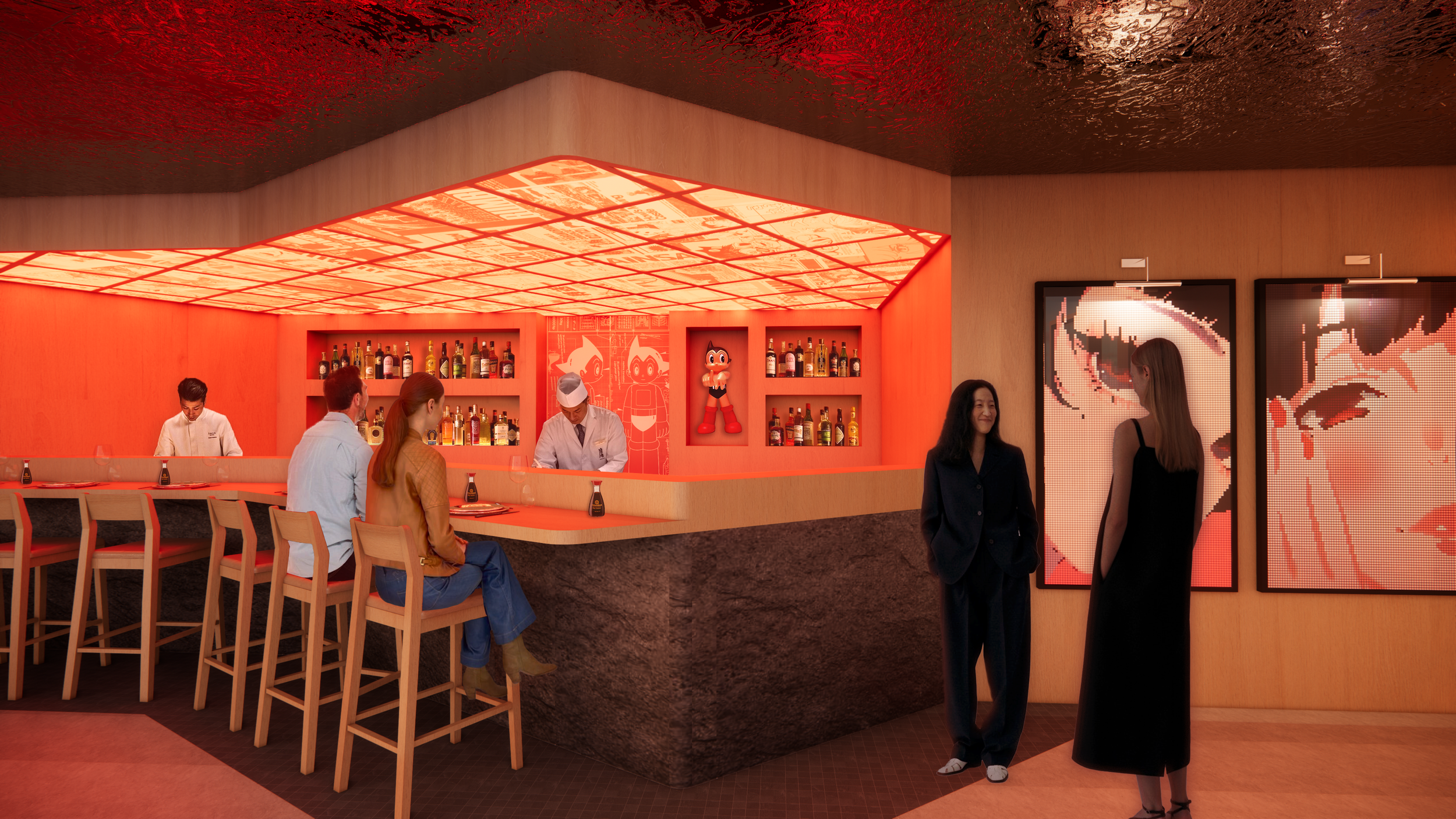
01 | What Does a Hospitality Fitout Cost in 2026?
Material costs have stabilised from their 2022 to 2023 peak, but trade labour remains at a premium across Melbourne, and hospitality fitouts sit at the more complex end of the commercial construction spectrum. Focus Shopfit
As a realistic starting point:
Entry-Level Commercial Fitout $3,000 to $3,800 per m² Commercial-grade finishes, standard joinery, compliant kitchen layout, basic lighting design.
Mid-Range Hospitality Fitout $3,800 to $5,000 per m² Custom bar or counter design, layered lighting, upgraded finishes, acoustic treatment, refined detailing.
Premium / Design-Led Venue $5,000+ per m² Bespoke joinery, architectural detailing, high-end finishes, integrated lighting and technology, significant consultant coordination.
These figures cover construction and fitout works. They exclude loose furniture, kitchen equipment, signage, council fees and operating licences. A full-service restaurant fitout for a 50-plus cover venue can reach $350,000 to $700,000 and above for an 80 to 150 square metre tenancy, once all trades, joinery and finishes are accounted for.
A note on older tenancies
If your premises is more than ten years old, build in a contingency for services upgrades. Electrical capacity, grease waste infrastructure, fire services and mechanical systems in older tenancies frequently fall short of what a modern hospitality operation requires, and the cost to bring them up to standard can be significant.
“Your space is your brand. Before a guest tastes the food, they experience the room.”
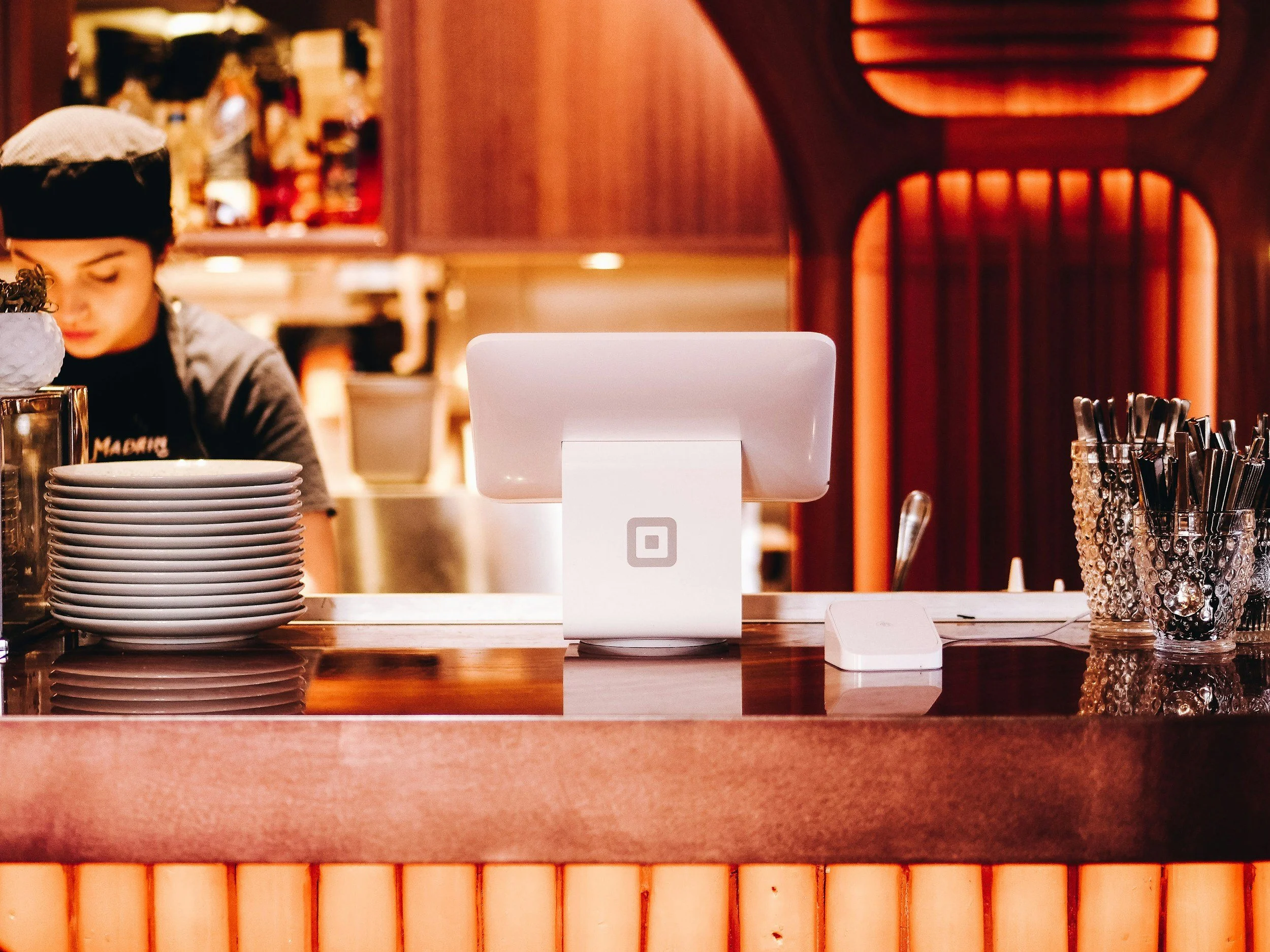
What Drives the Budget?
Kitchen specification:
This is the single biggest variable. A simple espresso bar has a completely different cost profile to a full commercial kitchen with ventilation, cool rooms and combi ovens. Almost the entire gap between $1,500 and $4,500 per square metre in hospitality fitouts is explained by kitchen specification.Existing services:
If adequate power, grease waste infrastructure and mechanical ventilation aren't already in place, costs increase quickly.Change of use:
Converting retail or office space into food premises commonly triggers additional compliance works that operators underestimate at the leasing stage.Patron numbers:
Seat count affects bathroom ratios, exit widths, fire services requirements and mechanical load calculations.DDA compliance (AS 1428):
An accessible service point — a section of counter at a maximum 850mm height and minimum 900mm wide — is required under the NCC, along with step-free entry, accessible paths of travel and a compliant toilet where any toilet is provided.Mechanical and acoustic design:
Air balance, make-up air and noise attenuation are consistently underestimated line items. They also directly affect how long customers want to stay.Consultant and permit coordination:
Hydraulic, mechanical, fire and acoustic engineers plus your building surveyor all need to be coordinated properly. Shortcuts here tend to surface later as expensive variations.

02 | Permits and Approvals: What You Need
Building permits in Victoria are issued by a registered private building surveyor, not by the local council. Hospitality venues are classified as Class 6 buildings under the NCC, and the Victorian Building Authority oversees the permit system statewide. Proceeding without a required permit creates serious legal and insurance risk.
Depending on your project, approvals may include a planning permit (where required by council zoning or overlays), a building permit, Food Act registration, trade waste approval, a liquor licence and a final council health inspection.
A realistic timeline from brief to opening is typically around 5 to 8 months for a full fitout. If you're targeting a specific opening date, work backwards from it before you commit to a lease.
Early consultant engagement prevents delays, particularly where things like rooftop plant, exhaust discharge, increased patron loads or heritage overlays are involved.
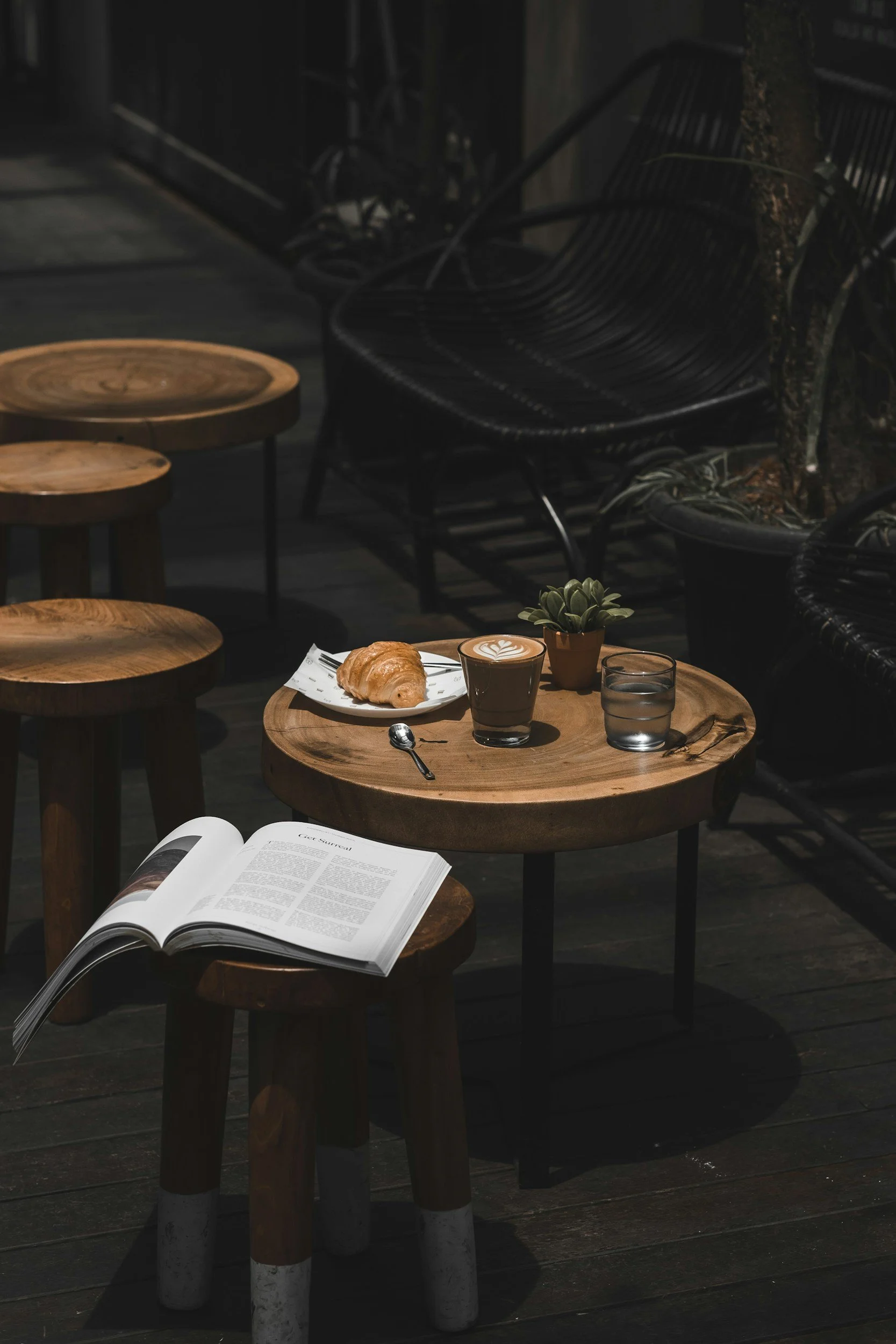
03 | Design That Works as Hard as Your Kitchen
The best hospitality fitouts in Melbourne in 2026 balance atmosphere with durability, and personality with function. Several design priorities have sharpened over the past couple of years:
Sustainability is now expected, not optional:
Recycled and reclaimed materials in joinery and finishes, low-VOC paints, adhesives and flooring systems, and energy-efficient lighting and HVAC solutions are now standard expectations for operators above the basic category. Guests notice, and so do council planners.Biophilic elements that earn their place:
Plants, natural materials, water features and natural light create environments guests respond to — and research consistently shows that spaces with natural elements increase dwell time. The key is integrating these elements structurally, not treating them as decoration applied after the fact.Acoustic comfort as a commercial consideration:
Hard surfaces read as premium but amplify noise in ways that shorten visits. Research from the Acoustical Society of America identifies unwanted noise as one of the leading drivers of shorter customer dwell time in commercial hospitality environments. Strategic acoustic treatment is not an afterthought.Efficient staff circulation:
Back-of-house planning is directly linked to service speed and labour cost from day one. A well-considered kitchen layout earns its value long before opening night.Layered lighting:
Ambient, feature and task lighting working together creates depth and flexibility. A space that photographs well at midday and feels right at 8pm requires intentional design at the specification stage.Flexible zoning:
Venues that can adapt for different purposes throughout the day, from morning coffee to evening service, maximise revenue potential. Moveable furniture, adjustable lighting and considered zoning support this without requiring a second fitout.
Melbourne diners are design-literate. A well-designed space doesn't just photograph well, it performs under pressure and keeps guests coming back.